Showing posts with label Tiers and Price Ranges. Show all posts

Tuesday, October 11, 2011

A Watch Primer #08: Tiers & Price Ranges, Part Three & Conclusions


This post is the last installment in the Tiers and Price Ranges entries for A Watch Primer.  It covers the final, most expansive (and yes, expensive) range - $10,000+ and beyond – and then looks back on all the tiers at which we’ve looked and offers some helpful tips for those interested in starting or expanding their watch collections.

Haute Horology - $10,000+ and Beyond

Once the price tag on a watch begins to exceed the ten grand threshold, you begin to venture past the realm of mass-production pieces into hand-finished, hand-assembled or bespoke watches.  In short, you’ve entered the playground of haute horology. 

The highest pantheon of big Swiss manufacturers – Patek Philippe, Audemars Piguet, and Vacheron Constantin – start becoming accessible at this point, along with their peer from Glashutte, A. Lange & Sohne, as do the high-end models from Jaeger-LeCoultre.  Precious metal cases and bands enter the fold, and as you venture into $50k and beyond, so do the most challenging (and sought after) complications: perpetual calendars, rattraponte chronographs, minute repeaters.  Or if you’re looking to avoid widely available and factory manufactured pieces for something produced in small batches, largely by hand, and even built to your own specifications. 

If money is no object (as it is increasingly likely to be, if you’re shopping in this rarified neighborhood), you can snag a bespoke piece from world-class horologist like F.P. Journe or Richard Mille.  An honorable mention for the made-to-order market must go out to American company RGM Watches, which offers a great degree of customizability and has succeeding in offering the first American-made movement since Hamilton became a Swiss company, as well as its own tourbillion model.

Ultimately, this tier covers too much ground in terms of style and function to be able to encapsulate it all in a couple of exemplary watches.  My own “grail watch” picks from this tier reflect my preference for simpler watches with clean dials: Patek Philippe’s Calatrava line is still the high water mark for dress watches, Audemars Piguet’s classic blue-dialed Royal Oak (which, try as I might, I still prefer aesthetically to the also Genta-designed PP Nautilus) for steel sports watches, and, my top if-money-was-no-object choice, the A. Lange & Sohne Saxonia Dual Time in white gold:


Drawing Conclusions

So what can we learn from looking at the entire field of watches from drugstore Casio to bespoke Richard Mille?  For a device that has been rendered potentially obsolete with the advent of the smartphone (which could, with the right app, perform any of the timekeeping duties of a wristwatch, with greater accuracy and without costly maintenance), the wide panoply of designs, features, and target markets are as diverse as the people who wear them.  Every watch-wearing individual has his or her own opinion about what’s good and what isn’t, and with the traditional rules of wrist wear becoming increasingly blurred over time (case in point: the mounting consensus that a classically designed sports watch like the Rolex Submariner can perform dress watch duty as easily as it can time a dive), it is the clarity and coherence of your own sense of aesthetics that must chart the course of your watch collection. 

Price alone cannot determine the inherent worth of a timepiece.  It should, however, factor into your buying decisions for at least two reasons, the first obvious, the second less so.  First, the watch you buy to wear around your wrist should not be expensive enough to pay off your mortgage (or you probably should have used that money to do just that) or cause you to worry over your timepiece so much that it inhibits your ability to use and enjoy it.  Second, the price of your watch reflects your philosophical view of watches and the practice of wearing them. 

As wearing a wristwatch is no longer a requirement for telling accurate time, the act of wearing one has shifted from practical necessity to a stylistic choice.  It can be assumed to some degree that a man who wears a watch every day – or even as part of a larger rotation – does so because he appreciates it.  Given that appreciation, an observer can safely deduce facets of the man from the qualities of the watch.  A gentleman who chooses a solid but inexpensive quartz model like the Timex Easyreader as his day-to-day watch may be unpretentious, frugal, shrewd, or utilitarian – or he might be the opposite of all those things.  But his selection of timepiece inevitably speaks to his view of watches as a whole: his choice of a value-priced model with quartz accuracy and convenience evokes a perspective of watches as tools rather than affectations.  A man who wears a Rolex daily may do so because he is appearance-conscious, a big spender, or appreciates the aesthetics of the brand or a mechanical movements.  But his choice evokes a view of watches as objects of intrinsic (and, perhaps, intangible) worth, irrespective of functionality, ease of use, or efficiency.  Such a man inevitably acknowledges that watches as both timekeepers and aesthetic statements, and displays a willingness to invest in an aesthetic object that, if maintained and cared for, is designed to accompany him throughout his life.  Neither outlook is wrong; nor is one any more correct than the other.  But each man’s outlook inevitable reveals something about the man himself, and so it is a wise individual who takes pains to both know himself well enough to understand his outlook and chooses a watch that comports with it.


Saturday, October 8, 2011

Watch Primer #07: Tiers and Price Ranges, Part Two

In the second Watch Primer installment of Tiers and Price Ranges, we'll be looking at the wide field of watches that fall within the luxury category of timepieces.  Because this segment of the market spans such a large range of prices (I've defined it as $1000-$10,000+, but there're no real hard and fast rules, especially at the $10,000+ side of things).  The overall spread can be classified as "luxury" because watches in this price range are just that: at their core, unnecessary.  But the extra money you pay in these ranges can net you considerable gains in value as far as design, quality of movements, fit and finish, and the degree to which the watch in question was actually crafted in-house by the brand.  Determining the most favorable balance of value vs. price can be tricky, so here's a description of each range and watches that exemplify the qualities you'd find therein.

Introductory Luxury: $1000-$3000


In the introductory level of the luxury cagetory, you'll begin to find examples from the most well-known and popular brands on the market, including Tag Heuer, Omega, Breitling, and other big Swiss manufacturers.  But this range is also home to some unique brands with interesting value propositions: there's Nomos, a Glashutte company which offers in-house manufacture movements in Bauhaus-influenced cases at an amazing price.  Longines, Swatch Group's mid-tier brand, offers a great balance of quality, solid ETA movements, and fit and finish.   Beginning in this range, some part of the hefty price tag you pay will be for brand recognition and marketing - which isn't necessarily a bad thing, but it's definitely something that should be factored into your buying decision.

Exemplars of the Range:

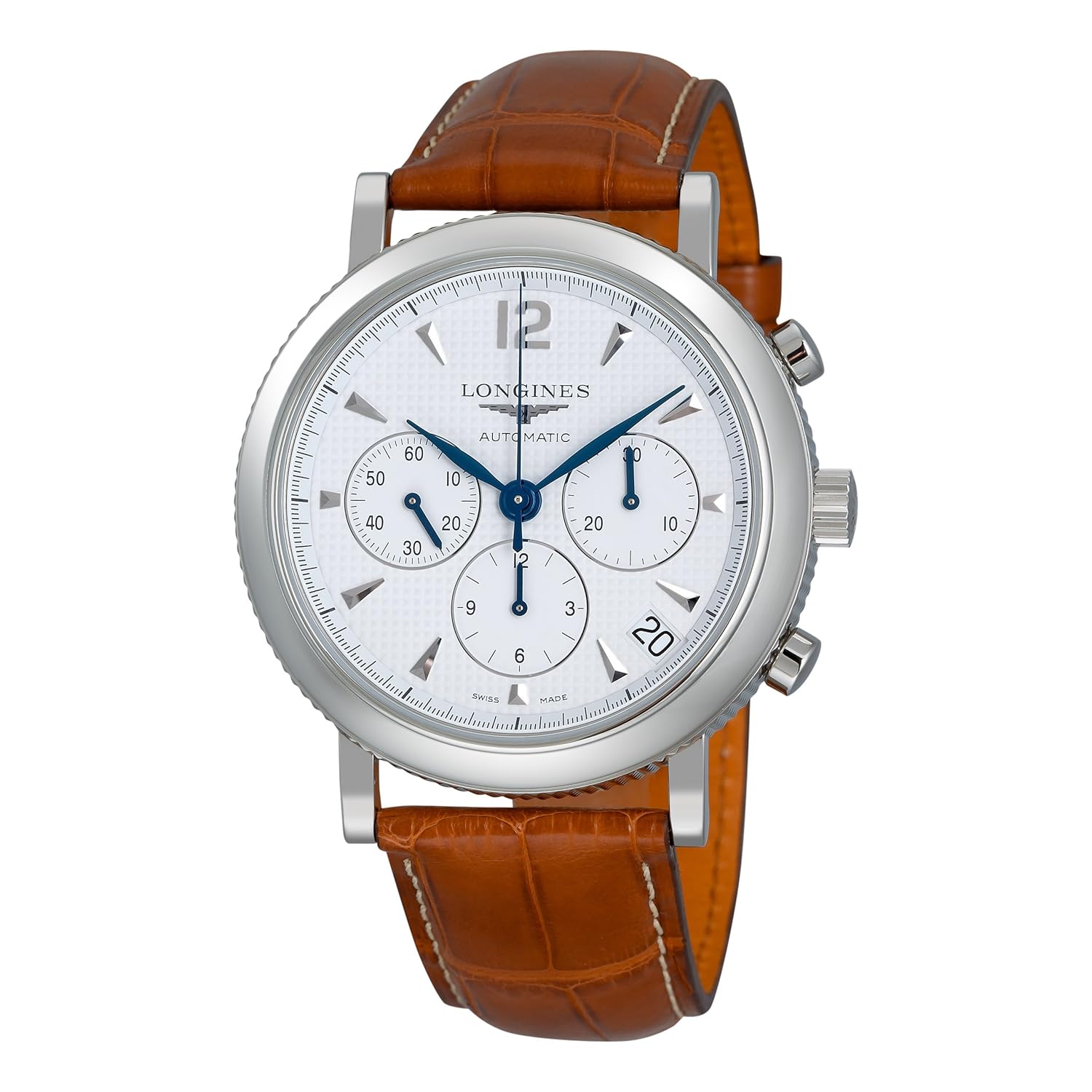
Longines L27044164 Heritage White Chronograph, $2,650 ($1612 on Amazon)

This model is a great example of the value you often get with Longines: a solid ETA chronograph movement with an elegant fit and finish and a style that evokes the classic chronographs of much more highly priced brands like Patek Philippe and Girard-Perregaux.  Also, as evidenced by the difference in MSRP and Amazon's price, you're more likely to find steeper discounts on quality but less publicized brands like Longines than household names like Rolex and Tag Heuer.  Speaking of which . . .

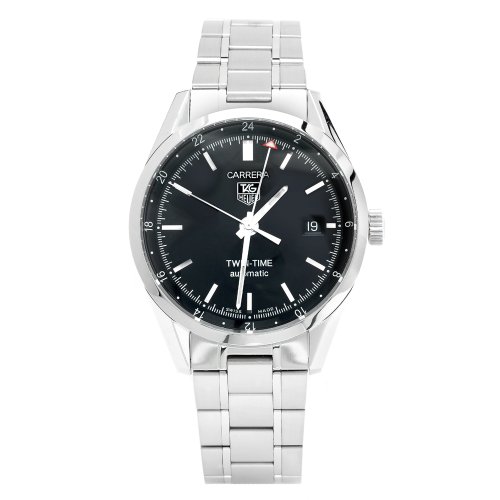
Tag Heuer Carrera WV2115.BA0787 Calibre 7 Twin Time, $2,700 ($2154.59 on Amazon)
Tag Heuer is arguably one of the most well-publicized watch brands out there, and this model comes from its Carrera line.  This Twin Time model features a second hour hand for dual timezones, a marked upgrade from the basic model (which is famous in movie circles for being the watch Leonardo DiCaprio wore - and which earned itself an extreme closeup or two - during the blockbuster Inception).


Mid-Range Luxury: $3000-$6000


Here in the mid range that you most often find the sweet spot between value - features, quality, design, and fit and finish - and price as far as luxury watches go.  At this range you can begin to expect to see manufacture movements and more elaborate complications.  This range is home to the venerable Moon Watch, the Omega Speedmaster Professional 3570.00, as well Breitling's most famous model, the Navitimer.  One of the most well-regarded manufacture brands, Jaeger-LeCoultre, also has a few signature models in this range, particularly the Reverso and the Master Ultra Thin.  At the top of this range you also begin to enter Rolex territory, with their introductory Air King line and slightly larger Oyster Perpetuals, steel Datejusts (which add a date window and the signature Rolex bubble, just as the name implies), and, until price jumps push it into the the next category or Rolex decides to update its design, the famous (and somewhat ubiquitous) no-date Submariner, the 14060M.  Noteworthy brands: Omega, Breitling, Jaeger-LeCoultre.

Exemplars of the Range:

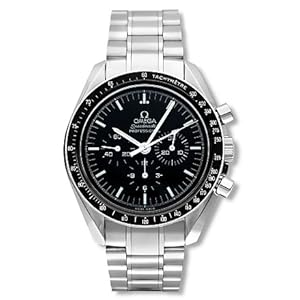
Omega Speedmaster Professional 3570.00, $4500 ($4050 on WatchMaxx via Amazon)
Known as the Moon Watch for its usage by astronauts during the Apollo 11 moon landing (and subsequent missions), the Speedy Pro is one of the only watches from Omega that have remained virtually unchanged through more than 50 years of production, which serves as a testament to its timeless design and dependable quality.  And I speak from experience when I say that, if you're a fan, odds are you'll be adding it to your watch box one day.

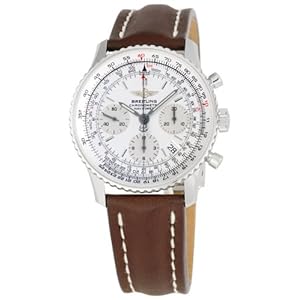
Breitling Navitimer A2332212-G532BRLT, $5185 ($4516.05 on Jomashop via Amazon)
The Navitimer is the only chronograph in this range that could rival the Speedy Pro's pedigree, though while the Speedy gained its fame among the stars, the Navitimer earned its reputation in the skies - a reputation that has become the crux of Breitling's modern marketing strategy.  While the newest iteration of the Navitimer includes Breitling's first in-house movement, the B01, the added flourish pushes that model firmly into the next range of luxury watches.  And in purist circles, there's no topping the original.


High-End Luxury: $6000-$10,000+


In the final range of the luxury category, you begin to find watches with prices that rival those of used cars.  In this tier you should be demanding a manufacture movement with a reasonable to high degree of finishing, from brands noted for their horological prowess.  This area is where you'll find the bulk of Rolex's non-precious metal offerings, such as the Submariner Date, Explorer I, Explorer II, and GMT Master II.  You can also find the most recent iterations of Zenith's well-regarded El Primero chronograph movement, which was famously employed in Rolex Daytona chronographs before Rolex replaced it with an in-house movement (and interestingly enough, it is the vintage El Primero-powered Daytonas, especially the references that have been come to be known as "Paul Newman" models, that fetch the largest prices in watch auctions).  It should also be noted, though, that this range can net you a watch of commensurate quality and pedigree if you're willing to venture outside of the Swiss brands.  In particular, Seiko's high end sub-brand Grand Seiko, produces entirely in-house watches that rival the very best the Swiss have to offer. And in their Spring Drive line, Grand Seiko has achieved a melding of quartz accuracy with the convenience and character of a mechanical movement, an accomplishment that no Swiss maker has yet matched.  Noteworthy brands: Rolex, Zenith, IWC, Grand Seiko.


Exemplars of the Range:


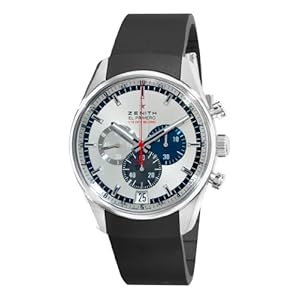
Zenith 03.2041.4052/69.R580 El Primero Striking Tenth Chronograph, $10,900 ($9,265 on Amazon)
This is the flagship model of Zenith's current El Primero lineup, featuring a special chronograph function that can display times accurate up to a tenth of a second.  The El Primero movement is renowned for its high beat frequency - 36,000 bph, instead of the 28,000 found in most mechanical movements - which contribute to more fluid movement of the chronograph's second hand.  It also comes with a sapphire caseback so that you can see the fabled movement in action.

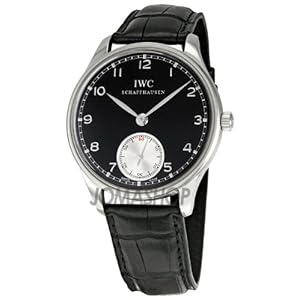
IWC Portuguese Hand-Wound IW545404, $8,900 ($7,120 on Jomashop via Amazon)
Featuring a new in-house designed and manufactured movement, the Portuguese Hand-Wound features one of IWC most elegant designs and unimpeachable manufacturing.  Short for International Watch Company - which actually has American origins, though now firmly entrenched Swiss company - IWC's star has been rising in the horological world in recent years, and their latest entry in the Portuguese line is a great example of why.


Next time, we take a look at the highest tiers of horology, of which many enthusiasts can only fantasize.  What do you think of the luxury ranges?  Can any watch be worth these sorts of price tags?  And if so, where does the value/price sweet spot fall for you?


Thursday, October 6, 2011

A Watch Primer #06: Tiers and Price Range, Part One

Today's Watch Primer entry categorizes the wide range of prices you'll find in the world of horology (from $20 drug store digitals to six-figure bespoke models), some of the noteworthy brands that exemplify each price range, and the bottom line when it comes to getting the most bang for your buck from a watch, regardless of your budget.

Inexpensive: Under $50

The first category covers the watches you'd commonly find anywhere between the electronics counter of your local drug store to the "free gift" portion of a TV infomercial.  My first watch fell into this category; a Lorus Sports digital quartz that I got from Costco for $20.  (Amazingly, I still have it two decades later, and it's still working perfectly with battery changes averaging once a decade.)   Inexpensive watches can run the gambit from cheap plasticy throwaways to dependable, hardworking timepieces, but examples in this range will inevitably use relatively cheap quartz movements (which will still probably keep more accurate time than all but the most fine-tuned of mechanicals).  Noteworthy brands at this level include Timex and Casio.

Examplars of the Range:
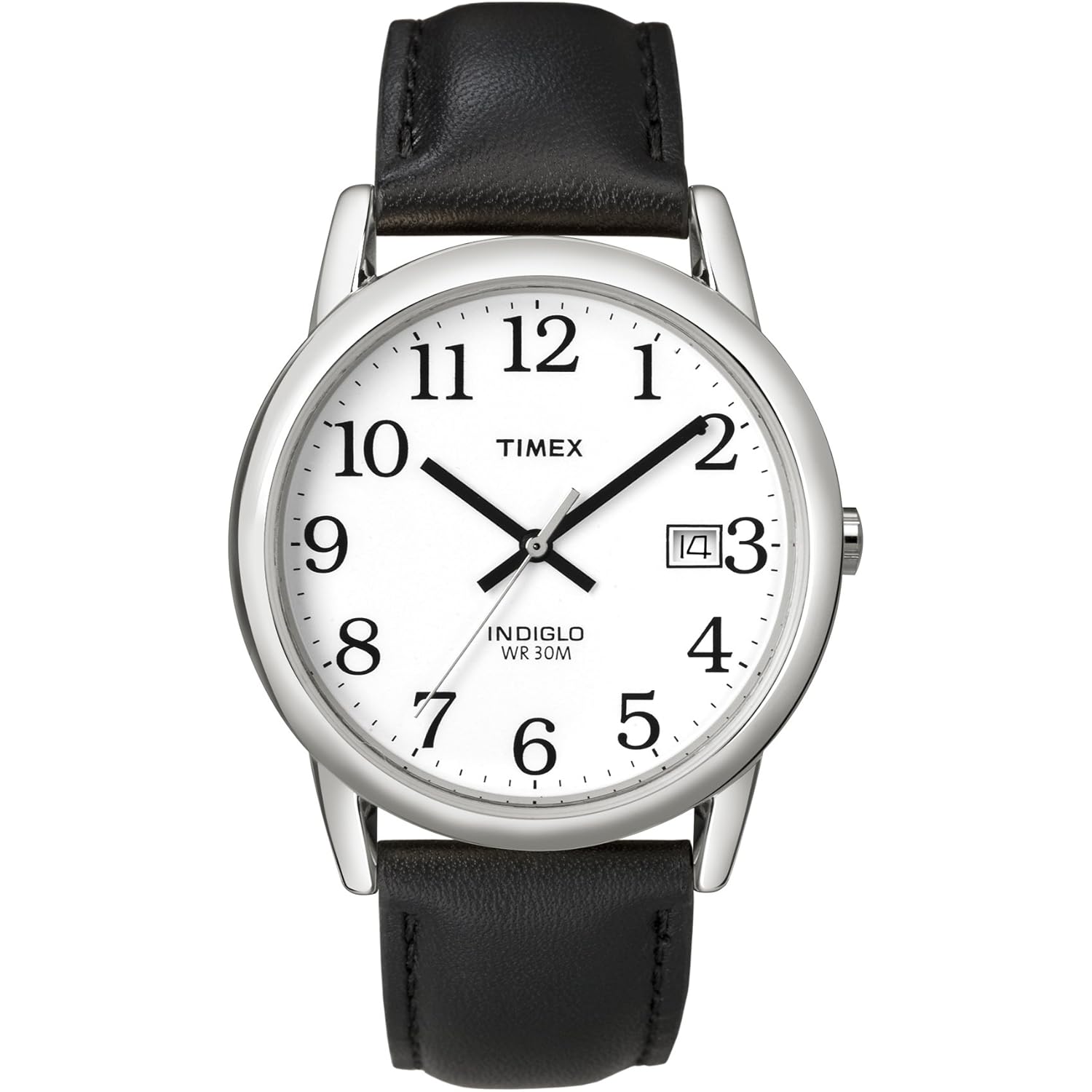
Timex Easyreader T2H281, $40 ($25 on Amazon)

The Timex Easyreader series offers dependable analog quartz watches at the appealing sub-$50 mark.  The model above gets a special nod for being clean and classic enough to stand in as a dress watch, especially if you decide to upgrade to an after-market premium leather strap.

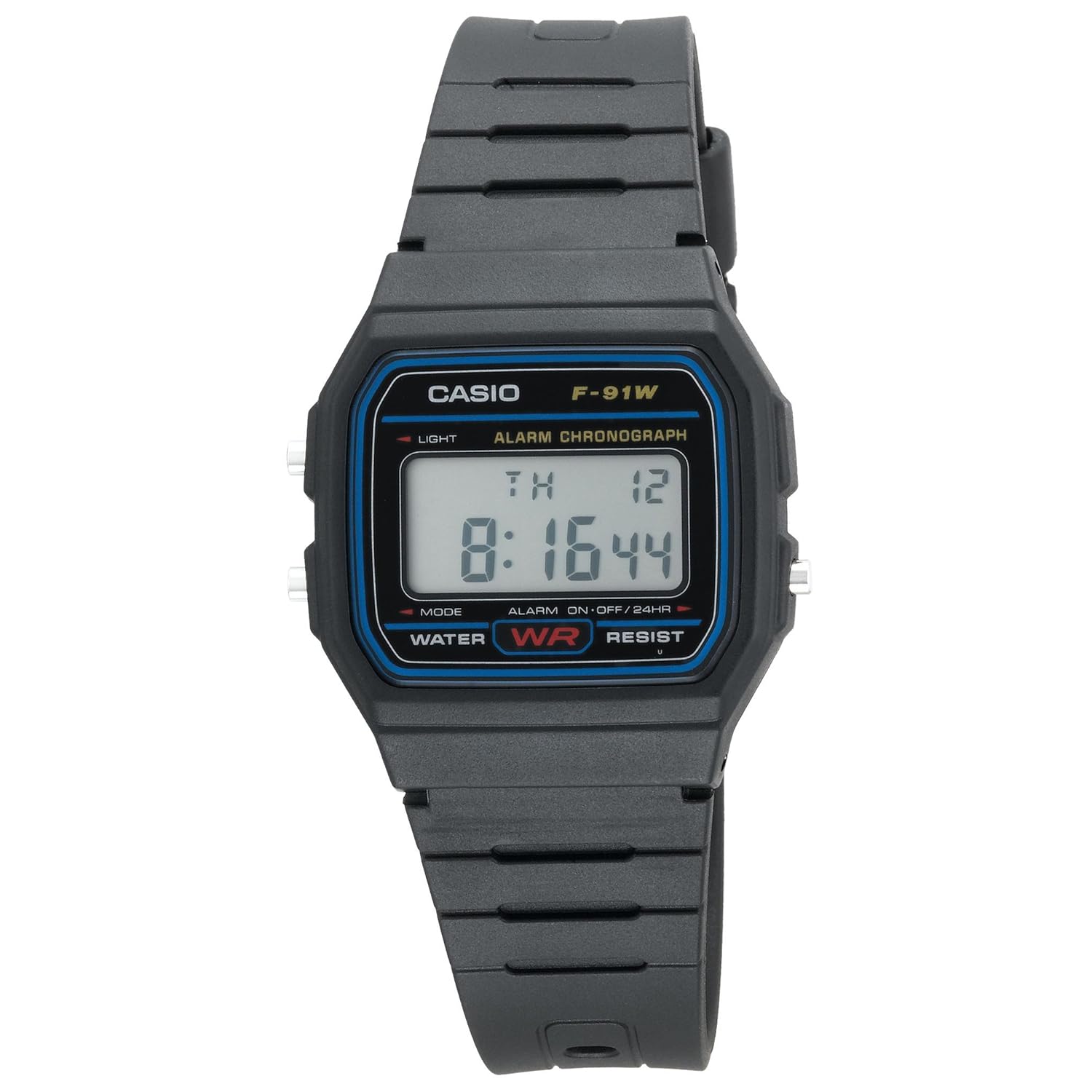
Casio F91W-1, $19 ($11 on Amazon) 
At 97 cents above $10, the Casio F91W-1 is perhaps the best deal out there for a rugged digital quartz watch with alarm and chronograph functions.  You can't really ask for a more convenient sports watch that will take a beating and won't break the bank if you're forced to replace it.


Economy: Under $200


The economy range offers more options as far as movements, special features, and finishes go, but remain accessible and affordable to virtually any watch aficionado.  These tend to make for perfect gifts for young adults who will appreciate higher quality features but probably will put their watches through paces that might not suit more costly models.  This is also roughly the lowest price point where mechanical movements and solar-charging quartz movements begin to become available.  Noteworthy brands at the economy level include Seiko, Citizen, and Casio's popular G-Shock line.

Exemplars of the Range:

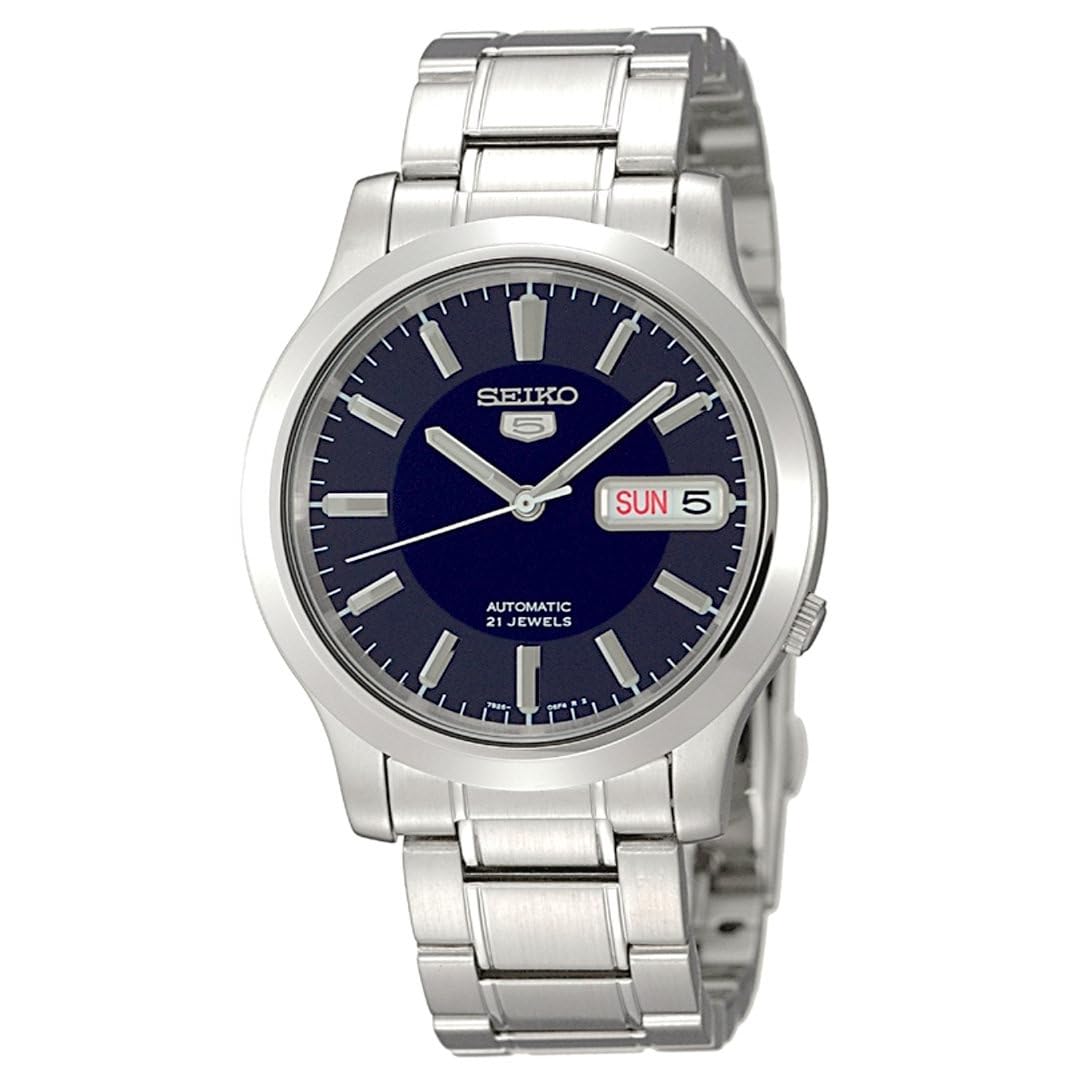
Seiko 5 SNK793, $185 ($60 on Amazon)
The venerable Seiko 5 series of economical automatic watches (noteworthy for being equipped with "in-house" Seiko movements at an unheard-of price point) fall under $100 if you take advantage of Amazon's hefty discounts across the line.  The model featured above features a subtle dark-blue dial, a display caseback and lugs that will easily accommodate aftermarket watch straps.

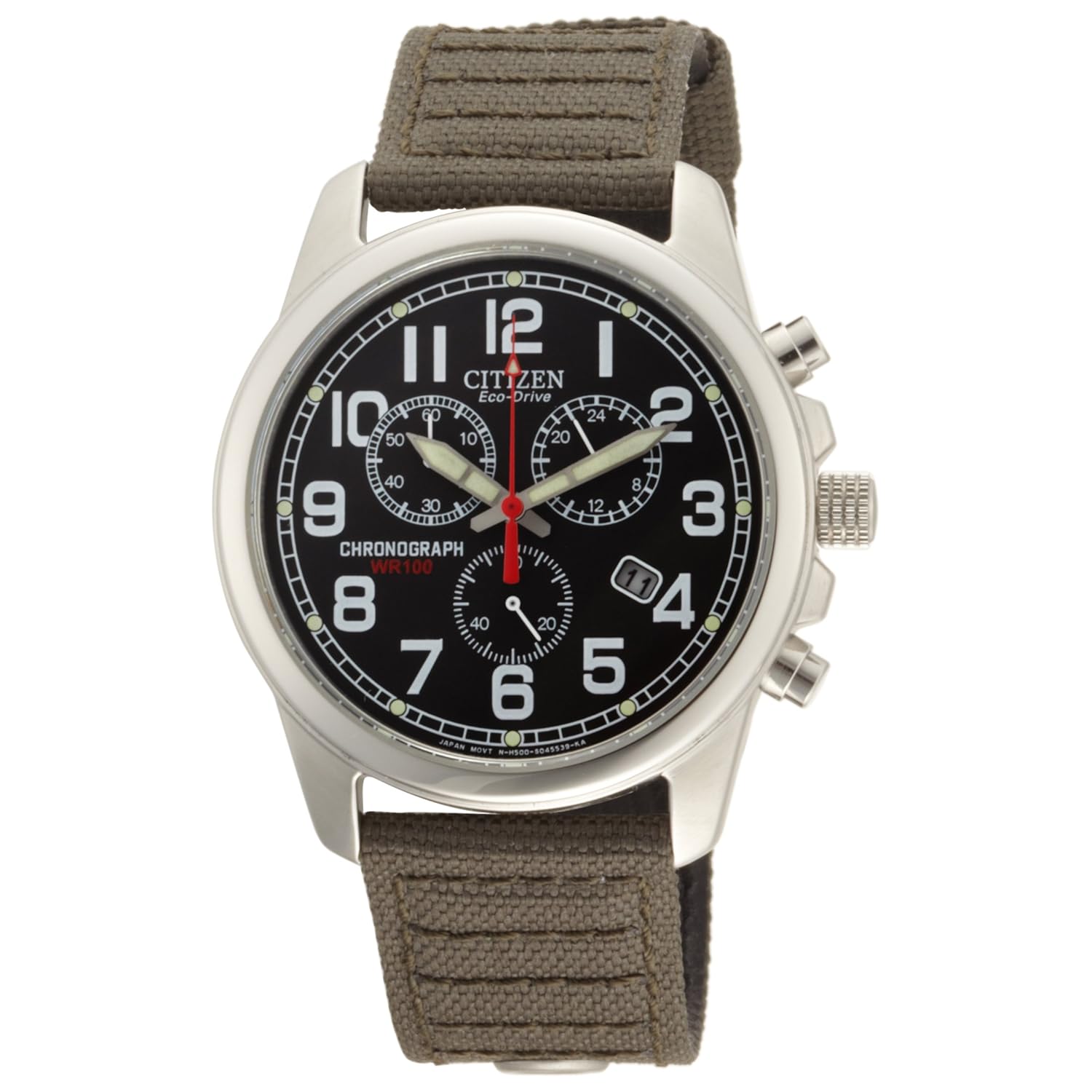
Citizen Eco-Drive AT0200-05E, $225 ($129 on Amazon)
This Citizen Eco-Drive model features the brand's titular solar-charging quartz movement, chronograph function, and a highly legible dial and nylon strap.  It's a great casual watch with military styling that equals the convenience of an automatic movement and does away with the hassle of having to replace a battery (or service the movement) every 2-3 years.

Affordable: $200-$1000


The affordable category is admittedly a controversial one, both in terms of its scope and whether the term could - or should - actually apply to watches that cost up to a grand.  In context of watches that cost tens to hundreds of thousands of dollars, I believe that it does, especially since it is in this range that a watch enthusiast can acquire watches with genuinely impressive complications that would only be available at the aforementioned tens of thousands of dollars range in mechanical form.  The affordable category is also where you'll begin to find watches that employ Swiss-made quartz and mechanical movements, though those movements will almost certainly be sourced from large mass producers like ETA and Ronda.  Noteworthy brands include Swatch Group's Tissot and Hamilton, Citizen, Seiko, and smaller independent makers like Prometheus and Bathys Hawaii.


Exemplars of the Range:


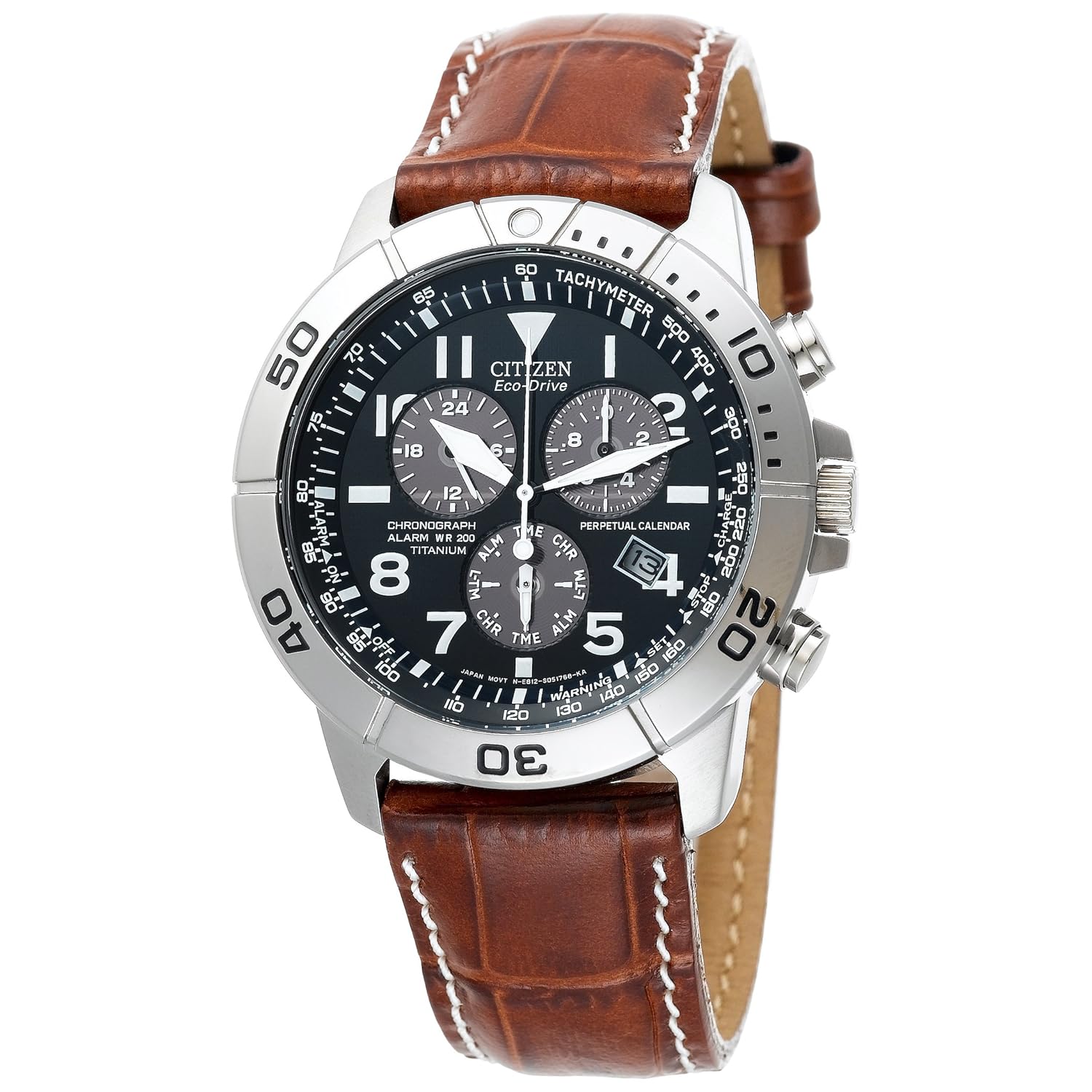
Citizen Eco-Drive BL5250-02L, $400 ($240 on Amazon)


This Eco-Drive model is a great example of the impressive complications you can find in quartz watches in this price range.  It combines perpetual calendar, dual time, alarm, and chronograph functions, all complications that could easily run into the five-figure range in an in-house mechanical movement.  In terms of most bang in a watch for the least amount of bucks, it's hard to do better than this watch.  (Only downside for the slim-wristed: its 49mm size.)


Bathys 100 Fathoms in Black PVD, $395 (new batch coming in early 2012 from Bathys Hawaii)
Bathys has a special place in my heart among independent brands because it's located in Hawai`i (and even goes so far as to include "Hawaii" on their dials and engrave an image of the Hawaiian Islands on their casebacks).  They briefly went astray when they tried to price their watches upstream enough for brick-and-mortar watch stores like Ben Bridge - at which point their models simply didn't offer enough value to justify the premium you'd have to pay for the privilege of wearing the Hawaiian Islands on your wrist - but they've recently returned their prices to more modest levels along with a renewed emphasis on internet sales.  The result: my pick of their models, the Quartz 100 Fathoms in Black PVD, will be restocked in early 2012 at what I believe was its introductory price in 2007 - $395, rather than the somewhat overbearing $695 that the same model would have cost you a year before.  It's a reasonable price for a watch with a Swiss-made Ronda movement and sapphire crystal.


Coming up in Part Two: The Luxury Tiers.  What do you think of the ranges featured so far?  Are there any brands to which I should have given special attention?  Let me know in the comments.